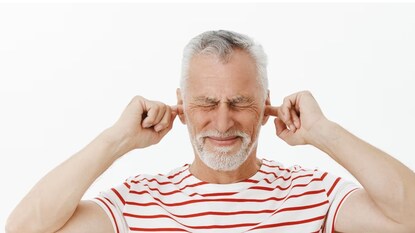
Tinnitus ( టిన్నిటస్)
1. నిర్వచనం (Definition)
Tinnitus is defined as the perception of sound in the ear or head in the absence of an external acoustic stimulus.
టిన్నిటస్ అనేది బయట నుండి శబ్దం లేకపోయినా చెవి లేదా తలలో శబ్దం వినిపించడం గా నిర్వచించబడుతుంది.
Patients describe the sound as ringing, buzzing, hissing, roaring, clicking, or whistling.
రోగులు ఈ శబ్దాన్ని రింగింగ్, బజ్జింగ్, హిస్సింగ్, రోరింగ్, క్లికింగ్ లేదా విసిల్ లా వర్ణిస్తారు.
Tinnitus is a symptom rather than a disease and may arise from disorders of the ear, auditory nerve, or central auditory pathways.
టిన్నిటస్ ఒక వ్యాధి కాదు, ఇది ఒక లక్షణం మాత్రమే మరియు ఇది చెవి, శ్రవణ నాడి లేదా కేంద్ర శ్రవణ మార్గాల సమస్యల వల్ల ఏర్పడుతుంది.
2. Pathophysiology ( రోగ ఉత్పత్తి విధానం )
The exact mechanism is complex and involves both peripheral and central auditory systems.
ఈ పరిస్థితి యొక్క ఖచ్చితమైన విధానం క్లిష్టమైనది మరియు ఇది బయట శ్రవణ వ్యవస్థ మరియు కేంద్ర శ్రవణ వ్యవస్థ రెండింటినీ ప్రభావితం చేస్తుంది.
Damage to the cochlear hair cells leads to abnormal spontaneous neural activity.
కోక్లియా లోని రోమ కణాలు దెబ్బతినడం వల్ల అసాధారణ నాడీ సంకేతాలు ఉత్పత్తి అవుతాయి.
Common causes:
సాధారణ కారణాలు:
• Noise-Induced Hearing Loss
• పెద్ద శబ్దాల వల్ల వినికిడి లోపం
• Presbycusis
• వయస్సుతో వచ్చే వినికిడి తగ్గుదల
• Ménière’s Disease
• మెనీర్స్ వ్యాధి
• Otosclerosis
• చెవి ఎముకల గట్టిపడటం
Damage causes:
దెబ్బతినడం వల్ల:
• Reduced auditory input
• శబ్ద సమాచారం తగ్గిపోవడం
• Abnormal stimulation of auditory nerve fibers
• శ్రవణ నాడి తంతువులకు అసాధారణ ఉద్దీపన
Reduced input from cochlea leads to neuroplastic changes in the central auditory pathways, resulting in increased neuronal activity.
కోక్లియా నుండి వచ్చే సమాచారం తగ్గిపోవడం వల్ల కేంద్ర శ్రవణ మార్గాల్లో మార్పులు ఏర్పడి నాడీ కార్యకలాపం పెరుగుతుంది.
• Cochlear nucleus
• కోక్లియర్ న్యూక్లియస్
• Inferior colliculus
• ఇన్ఫీరియర్ కొలిక్యులస్
• Auditory cortex
• శ్రవణ కార్టెక్స్
This abnormal neural firing is perceived as tinnitus.
ఈ అసాధారణ నాడీ సంకేతాలు టిన్నిటస్ గా అనిపిస్తాయి.
Trigeminal and cervical nerves may modulate auditory pathways, explaining tinnitus associated with jaw or neck disorders.
ట్రైజెమినల్ మరియు మెడ నాడులు శ్రవణ మార్గాలను ప్రభావితం చేస్తాయి. అందువల్ల దవడ లేదా మెడ సమస్యలతో కూడిన టిన్నిటస్ కనిపిస్తుంది.
In pulsatile tinnitus, turbulent blood flow near the ear may generate sound.
పల్సేటింగ్ టిన్నిటస్ లో చెవి దగ్గర రక్త ప్రవాహం అసమానంగా ఉండటం వల్ల శబ్దం ఉత్పత్తి అవుతుంది.
Examples:
ఉదాహరణలు:
• Arteriovenous Malformation
ఆర్టీరియోవీనస్ మాల్ఫార్మేషన్
•Glomus Tumor
గ్లోమస్ ట్యూమర్
3. Clinical Features ( క్లినికల్ లక్షణాలు )
Symptoms:
లక్షణాలు:
• Ringing sound
రింగింగ్ శబ్దం
• Buzzing
బజ్జింగ్
• Hissing
హిస్సింగ్
• Roaring
గర్జన శబ్దం
• Clicking
క్లిక్ శబ్దం
• Pulsating sound
పల్సేటింగ్ శబ్దం
Characteristics:
లక్షణాల స్వభావం:
Laterality
వైపు:• Unilateral
ఒక చెవి• Bilateral
రెండు చెవులుType
రకం:• Continuous
నిరంతరం• Intermittent
మధ్య మధ్యలో• Pulsatile
పల్సేటింగ్Pitch
శబ్ద స్థాయి:• High-pitched
ఎక్కువ శబ్దం• Low-pitched
తక్కువ శబ్దం
Associated symptoms:
తోడు లక్షణాలు:
• Hearing loss
వినికిడి లోపం
• Ear fullness
చెవి నిండిన భావం
• Vertigo
తల తిరగడం
• Sleep disturbance
నిద్రలో ఇబ్బంది
• Anxiety or depression
ఆందోళన లేదా డిప్రెషన్
• Difficulty concentrating
దృష్టి కేంద్రీకరణలో ఇబ్బంది
Clinical examination includes:
పరీక్షలు:
• Otoscopy
చెవి పరిశీలన
• Hearing tests
వినికిడి పరీక్షలు
• Neurological examination
నాడీ సంబంధ పరీక్షలు
• Vascular examination (in pulsatile tinnitus)
రక్తనాళాల పరీక్షలు (పల్సేటింగ్ టిన్నిటస్ లో)
4. Investigations ( పరీక్షలు )
• Pure tone audiometry
ప్యూర్ టోన్ ఆడియోమెట్రీ
• Tympanometry
టింపానోమెట్రీ
• Otoacoustic emissions
ఓటోఆకౌస్టిక్ ఎమిషన్స్
• Auditory brainstem response
శ్రవణ మెదడు ప్రతిస్పందన పరీక్ష
Imaging:
చిత్రీకరణ పరీక్షలు:
• CT temporal bone
సీటి స్కాన్
• MRI brain and internal auditory canal
ఎంఆర్ఐ మెదడు మరియు చెవి మార్గం
To rule out conditions such as:
ఈ సమస్యలను గుర్తించడానికి:
• Vestibular Schwannoma
వెస్టిబ్యులర్ శ్వానోమా
5. Medical Treatment ( ఔషధ చికిత్స )
Treatment mainly aims at reducing symptoms and improving quality of life.
చికిత్స ప్రధానంగా లక్షణాలను తగ్గించడం మరియు జీవన ప్రమాణాన్ని మెరుగుపరచడం పై ఉంటుంది.
a) Treat underlying cause
మూల కారణాన్ని చికిత్స చేయడం:
• Wax removal
చెవి మలాన్ని తొలగించడం
• Ear infection treatment
చెవి ఇన్ఫెక్షన్ చికిత్స
• Control of Ménière’s disease
మెనీర్స్ వ్యాధి నియంత్రణ
• Management of otosclerosis
ఓటోస్క్లెరోసిస్ చికిత్స
b) Drug therapy
ఔషధాలు:
• Betahistine
బెటాహిస్టిన్
• Antidepressants (Amitriptyline)
ఆంటీడిప్రెసెంట్స్
• Anxiolytics
ఆందోళన తగ్గించే మందులు
• Ginkgo biloba
గింకో బిలోబా
• Lidocaine (rarely used)
లిడోకైన్ (అరుదుగా)
c) Tinnitus Retraining Therapy
టిన్నిటస్ రీట్రైనింగ్ థెరపీ:
• Sound therapy
శబ్ద చికిత్స
• Psychological counseling
మానసిక సలహా
d) Sound therapy
శబ్ద చికిత్స:
• Masking devices
శబ్దాన్ని దాచే పరికరాలు
• White noise generators
వైట్ నాయిస్ పరికరాలు
• Hearing aids
వినికిడి యంత్రాలు
e) Cognitive Behavioral Therapy
ప్రవర్తనా చికిత్స:
Helps reduce psychological distress associated with tinnitus.
టిన్నిటస్ వల్ల కలిగే మానసిక ఒత్తిడిని తగ్గిస్తుంది.
6. Surgical Treatment ( శస్త్రచికిత్స )
Surgery is indicated only when there is a correctable cause.
సరిచేయగల కారణం ఉన్నప్పుడు మాత్రమే శస్త్రచికిత్స చేస్తారు.
• Stapedotomy
స్టేపెడోటమీ (ఓటోస్క్లెరోసిస్ లో)
• Tumor removal
ట్యూమర్ తొలగింపు
• Vascular surgery
రక్తనాళాల శస్త్రచికిత్స
• Cochlear implant
కోక్లియర్ ఇంప్లాంట్
Benefits:
లాభాలు:
• Restores hearing
వినికిడి మెరుగుపడుతుంది
• Reduces tinnitus
టిన్నిటస్ తగ్గుతుంది
7. Post-operative Care ( శస్త్రచికిత్స తర్వాత సంరక్షణ )
• Monitoring hearing
వినికిడి పర్యవేక్షణ
• Medications
మందులు
• Ear precautions
చెవి జాగ్రత్తలు
• Follow-up
తిరిగి పరీక్షలు
• Rehabilitation
పునరావాసం
8. Prognosis ( ఫలితాలు )
• Many patients adapt over time
చాలా మంది కాలక్రమంలో అలవాటు పడతారు
• Early treatment improves outcome
తొందరగా చికిత్స చేస్తే మంచి ఫలితాలు
• Severe cases need multidisciplinary care
తీవ్రమైన పరిస్థితుల్లో ప్రత్యేక చికిత్స అవసరం